
Insurance Guide: Flat Roofs & Valley Gutters
What Property Owners Must Know
Why Roofing Details Matter in Insurance
Flat roofs and valley gutters are common features on both residential and commercial buildings — but they’re also frequent causes of insurance issues.
Property owners often:
- Fail to declare roof construction details accurately
- Underestimate inspection and maintenance responsibilities
- Only discover problems after a claim is denied
This guide breaks down the key types of flat roofs, valley gutter risks, and the insurance angles that matter most.
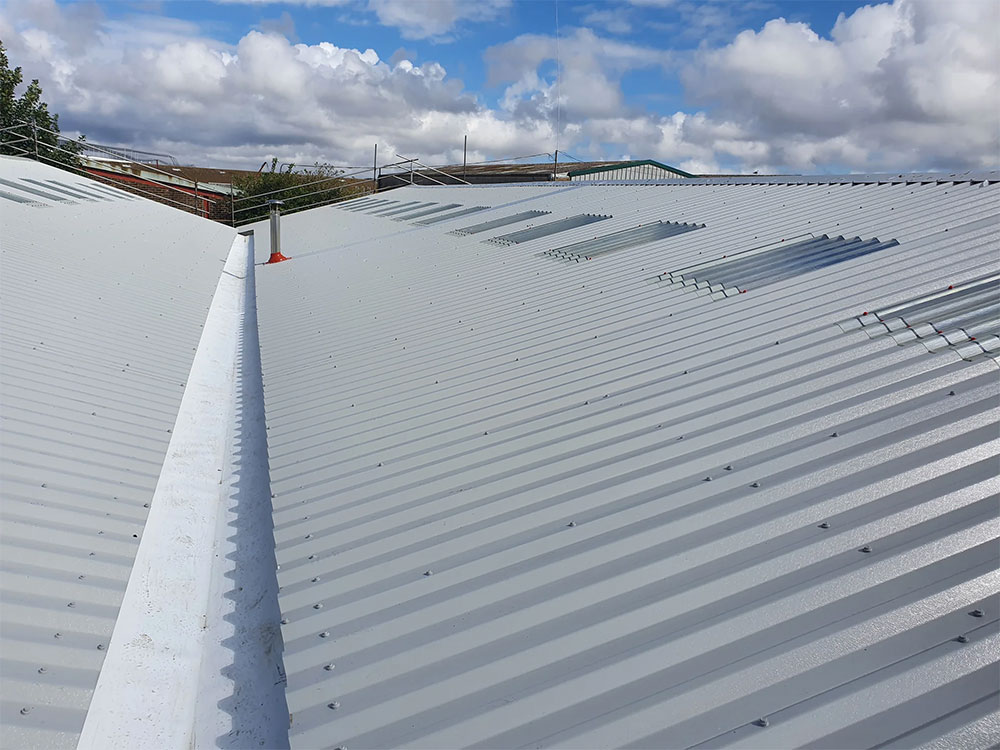
Flat Roof Types & Their Insurance Implications
- Felt Over Timber (Built-Up Felt)
- Traditional 2-3 layer felt system applied with hot bitumen
- Common on older domestic properties and garages
Insurance Notes:
- Must be declared as a flat roof
- May require inspection every 1–2 years
- Higher wear and tear risk → many insurers impose age limits or higher excess
- EPDM (Rubber Roofing)
- Durable single-ply rubber membrane
- Common in modern refurbishments
Insurance Notes:
- Considered more resilient than felt
- Still subject to inspection clause depending on pitch and area
- Check for manufacturer guarantees
- GRP (Glass Reinforced Plastic / Fibreglass)
- Rigid, seamless roofing system
- Often marketed with 20–25 year lifespan
Insurance Notes:
- Considered low-maintenance, but must be installed properly
- Inspect for cracks, lifting or pooling annually
- Asphalt Flat Roof
- Hot-poured bitumen with stone chippings
- Found on older commercial or high-value homes
Insurance Notes:
- Long-lasting, but sensitive to UV and cracks
- Declaring the surface and age helps prevent disputes
- Asbestos Cement Roof Panels
- Found on garages, sheds, or some 1950s extensions
- Now banned for use, but still exist in older buildings
Insurance Notes:
- Must be disclosed
- High-risk for insurers due to safety & cost of removal
- Many insurers exclude or charge a loading
General Insurance Risks for Flat Roofs
- Misrepresentation: Not declaring % of flat roof voids cover
- Lack of maintenance: Flat roofs need documented inspections
- Pooling water: Can cause rot or ingress – often classed as "wear and tear"
- Storm damage: Must be proven as sudden, not gradual deterioration
Many insurers limit liability unless the roof is:
- Inspected at least annually
- Maintained and documented

Valley Gutters – The Hidden Threat
Valley gutters are found where two sloped roofs meet — often in:
- Commercial blocks
- Retail centres
- Large terraced or multi-unit homes
These channels can become clogged with debris, especially in autumn/winter. If not maintained, they’re a major cause of flood damage and insurance claim rejection.
Maintenance Requirements
Most commercial property insurers require:
- Clearance at least twice a year (spring & autumn)
- Logs or invoices to prove maintenance
- Checks for leaks, flashing movement, and overflow points
If the valley overflows during heavy rain and causes damage, insurers may:
- Investigate the maintenance history
- Class it as preventable (and deny the claim)
Best Practices for Roof-Related Insurance
- Know your roof construction type and % flat vs pitched
- Declare this upfront – especially on commercial property forms
- Schedule roof inspections every 12 months minimum
- Keep written logs, reports, or contractor invoices
- Clear gutters and valleys twice a year
- Use photos pre- and post-cleaning for claims evidence
Need Advice or a Roof-Linked Quote?
At Qudos, we help landlords, developers, and property investors get cover that:
- Includes flat roof and valley risk
- Satisfies lender or leaseholder conditions
- Doesn’t leave you exposed at claim time