
Cladding & Insulation Risks Explained
Learn how these issues impact your insurance and protect your property.
Why Cladding & Insulation Matter to Insurers
Since the tragic Grenfell Tower fire in 2017, cladding and insulation materials have become a major concern for insurers. Whether you own a residential block, commercial unit, or mixed-use building, insurers now require full disclosure of:
- The type of external cladding used
- The insulation material beneath or behind the cladding
Failing to provide this information — or providing incorrect details — can lead to:
- Higher premiums
- Cover exclusions
- Declined claims or refusal to quote
This guide breaks down the common materials, how to identify them, and how to stay compliant.
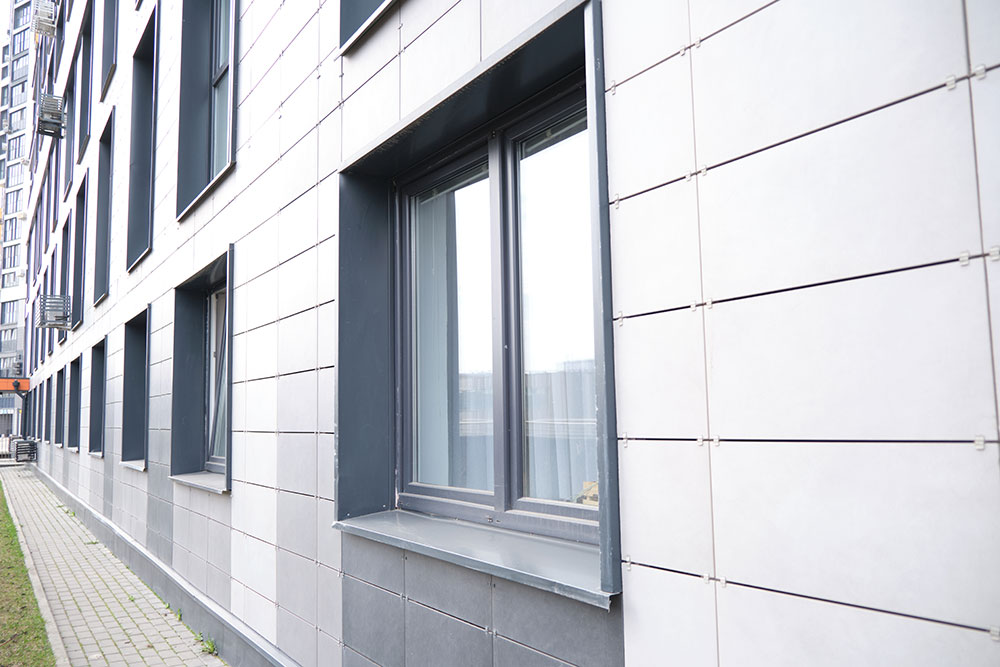
Common Cladding Types
- ACM (Aluminium Composite Material)
- Thin aluminium sheets with a polyethylene (plastic) core
- Widely used pre-Grenfell on high-rise and modern buildings
Risk: Extremely flammable in some forms — high fire risk
Insurance Note: Many insurers will not accept this unless removed or replaced
- HPL (High-Pressure Laminate)
- Compressed wood or paper layers with a resin binder
Risk: Can be combustible depending on insulation used and installation
Insurance Note: Must be declared and may require risk assessments
- Timber Cladding
- Visually attractive, especially on low-rise or eco builds
Risk: Flammable — fire risk can be managed with fire breaks and fire-retardant treatment
Insurance Note: Accepted with additional safety measures and limited height
- Brick Slips / Masonry Cladding
- Real brick veneer applied to exterior walls
Risk: Low fire risk – considered safe and durable
Insurance Note: Usually favourable to insurers
- Render Systems (e.g., EWI)
- Render applied to insulation board (External Wall Insulation)
Risk: Depends on insulation type used underneath
Insurance Note: Must be paired with non-combustible insulation for best results
Common Insulation Types (Behind Cladding)
Rockwool / Mineral Wool
- Non-combustible
- Good fire performance
Insurance View: Low risk, often preferred
Expanded Polystyrene (EPS)
- Lightweight and cheap
- Highly combustible if exposed to fire
Insurance View: May result in cover refusal or higher excess
Polyisocyanurate (PIR)
- High thermal performance
- Combustible if not properly fire stopped
Insurance View: May be acceptable with fire break systems
Phenolic Foam (e.g., Kingspan Kooltherm)
- Good thermal rating, low smoke emission
Insurance View: Higher scrutiny post-Grenfell – may need fire reports
How to Find Out What You’ve Got
If you’ve purchased a building or manage one with unclear records:
Start with your building documents:
- EPC reports
- Fire Risk Assessments (FRA)
- Planning/building control documents
- Leaseholder packs or O&M manuals
Get a Fire Engineer or Surveyor
- Commission a cladding material and insulation survey
- Look for an EWS1 form (External Wall System Assessment) – especially for residential buildings over 18m tall
Photograph Visible Areas
- Cladding panels, fixings, insulation (if exposed)
- Share with your broker or surveyor for help with identification
Why Insurers Need This Info
- Fire safety is a critical risk factor for underwriters
- Accurate details allow insurers to set fair terms and respond to claims
- Incomplete or false declarations may invalidate cover
Even if you “don’t know” – insurers need that flagged. We can help guide how to state this properly to avoid issues.
How Qudos Can Help
- Guide you through identifying your materials
- Liaise with underwriters on non-standard construction
- Place cover with insurers that accept specific cladding/insulation types
- Work with your surveyors or fire engineers