
Insurance & Risk Management for Hospitality
Protect your hospitality business from liability, property, and interruption risks.
Why Hospitality Businesses Face Unique Insurance Risks
Restaurants, takeaways, cafés, and food outlets are high-risk environments when it comes to insurance. The combination of heat, oils, electrical equipment, flammable materials, and high footfall creates serious exposure to fire, business interruption, and liability.
Two of the biggest insurance red flags are:
- Inadequately cleaned kitchen extraction systems
- Cold rooms constructed with flammable composite panels
This guide outlines the key risks, insurance considerations, and how business owners can stay protected and compliant.
Ducting, Extract Systems & Fire Prevention
What’s the Risk?
Cooking with oils and fats produces grease-laden vapour. Over time, this builds up inside the extraction ductwork and canopy systems.
If not cleaned regularly:
- A single flame flare-up can ignite the grease inside the ducting
- This can spread fire through the building, or even to neighbouring properties
Insurance Implications:
- Most insurers require professional cleaning of extraction systems
- The frequency is based on usage (see below)
- You must obtain a certificate of cleaning from an accredited contractor
- Failure to do so can lead to claims being denied
Cleaning Frequency Guide:
| Cooking Volume | Minimum Cleaning Frequency |
| Heavy use (12–16 hrs/day) | Every 3 months |
| Moderate use (6–12 hrs/day) | Every 6 months |
| Light use (2–6 hrs/day) | Annually |
Tip: Keep certificates on file and share them with your broker or insurer upon renewal.
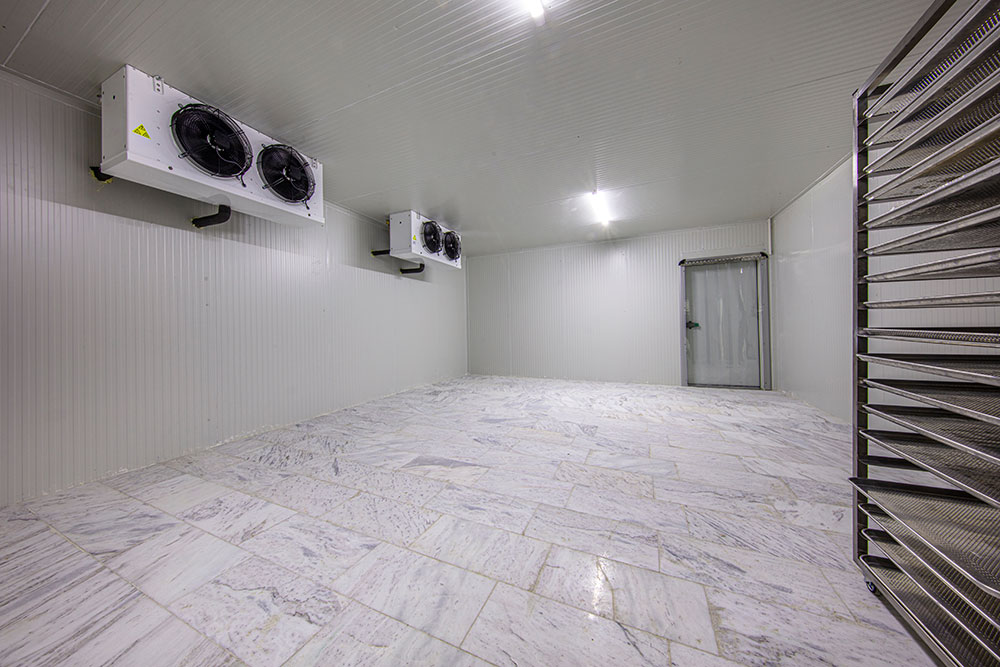
Cold Rooms – The Hidden Fire Risk
What’s the Risk?
Many walk-in cold stores or freezers are built using composite sandwich panels. These panels often have a plastic-coated steel exterior and an inner insulation core (typically polyurethane or polystyrene).
If exposed to flame or electrical faults:
- The panels melt or ignite rapidly
- They release toxic black smoke
- Fire can spread unseen inside the walls
Insurance Concerns:
- Composite panel construction must be declared
- Insurers will want to know:
- Type of insulation (EPS, PIR, Rockwool, etc.)
- Whether fire breaks exist
- If electrical systems inside the room are regularly tested
Best Practices:
- Ensure electrical sockets, lighting, and motors in cold rooms are PAT tested
- Use non-combustible insulation (Rockwool or mineral fibre) where possible
- Keep cold room areas tidy and well-ventilated
- Avoid storing packaging or flammable products nearby
Other Key Hospitality Risks
- Slips, trips & falls – customer/public liability
- Food hygiene claims – food poisoning or allergy reaction
- Theft & break-ins – high cash takings or alcohol stock
- Business interruption – loss of income after a fire or major breakdown
How Qudos Insurance Brokers Can Help
We provide tailored hospitality insurance for:
- Restaurants & cafés
- Takeaways & dark kitchens
- Hotels & pub kitchens
- Franchises and food courts
We’ll help you:
- Navigate extraction and cold room declarations
- Arrange cover even if you’ve been refused elsewhere
- Advise on the documentation you need